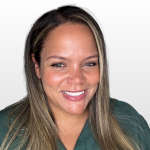
Onvero Inclusion Lead, Dionne Eldridge, introduces this powerful reflection on navigating both race and LGBTQ+ identity. In sharing this piece, Dionne underscores the importance of intersectional inclusion and highlights why creating spaces where people are fully seen and valued is essential to true belonging.
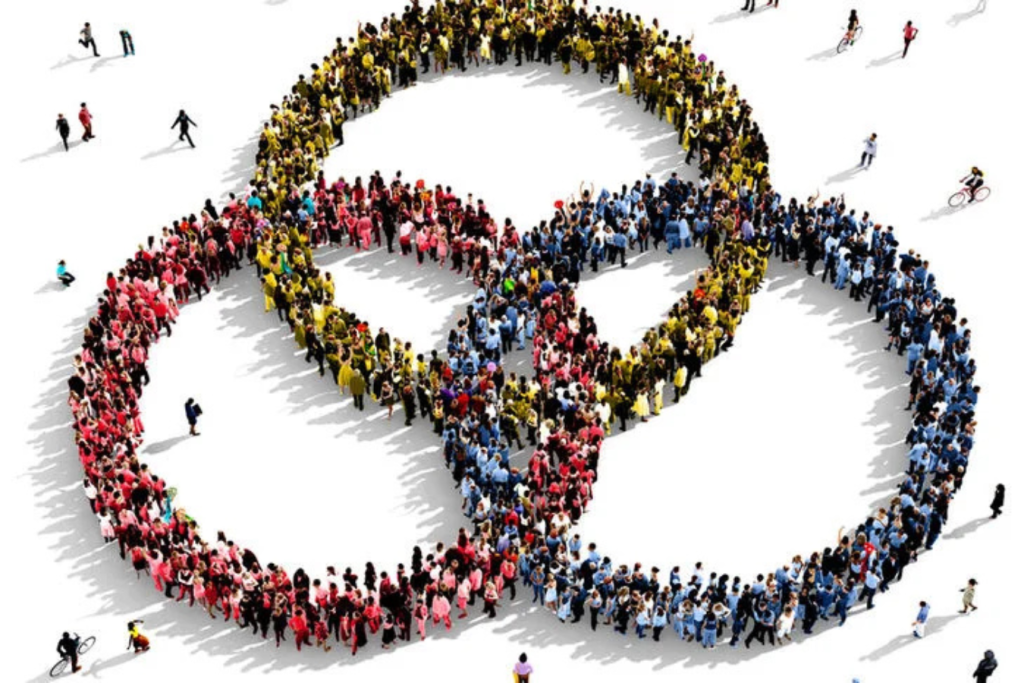
Where Identities Collide
As conversations and events about race equality and LGBTQ+ history unfold side by side, many of us live at their intersection — often unseen in both.
To me, both are important celebrations as well as pressing issues that still need attention; one is not more important than the other. It’s not enough to talk about race or LGBTQ+ inclusion in isolation, as highlighted by this year’s Race Equality Week theme: #ChangeNeedsAllOfUs.
I’ve learned that being visible in one part of myself doesn’t always mean being seen as a whole. Navigating spaces in workplaces and in society can mean I sometimes feel hypervisible in one identity and invisible in another — whether that was joining LGBTQ+ spaces or networks and being the only mixed-heritage person there, or, on the flip side, attending racial or cultural events and feeling like I needed to suppress my sexuality.
Living at the intersection of race and my lesbian identity, I’ve come to realise that belonging is often conditional. This has helped me understand what inclusion and belonging mean, at least to me. Though this hasn’t always been the case, I’ve learned to refuse to prioritise one part of myself.
Race Equality and LGBTQ+ history have always been intertwined, even if history doesn’t always acknowledge it. I often find I’m most comfortable and feel like I truly belong when these identities come together and are celebrated equally.
We are all more than just one identity; we are complex. This is why I support organisations in taking an intersectional approach to inclusion: one that doesn’t silo identities, considers compounded discrimination, and celebrates diverse stories to build more inclusive cultures.
Building Cultures Where Everyone Belongs
Working intersectionally doesn’t have to be difficult, and it doesn’t mean ticking every box. That’s simply not possible. It’s about considering policies, events, and campaigns through an intersectional lens, drawing on a range of people’s experiences within your organisation, and bringing groups together for events. One small thing we can all do to work in a more intersectional way is to notice who is missing from the conversation.
Inclusion shouldn’t require anyone to leave parts of themselves at the door. Belonging comes from being seen in full, and when we honour all aspects of who we are, we create spaces where everyone can belong. This Race Equality Week and LGBTQ+ History Month, let’s celebrate the richness of our intersecting identities and the progress we’ve made, while also focusing on what we still need to achieve and continuing to lift up the voices that are too often overlooked.
This blog was written by Dionne Eldridge, Inclusion Lead at Onvero, and posted on 04 February 2026.